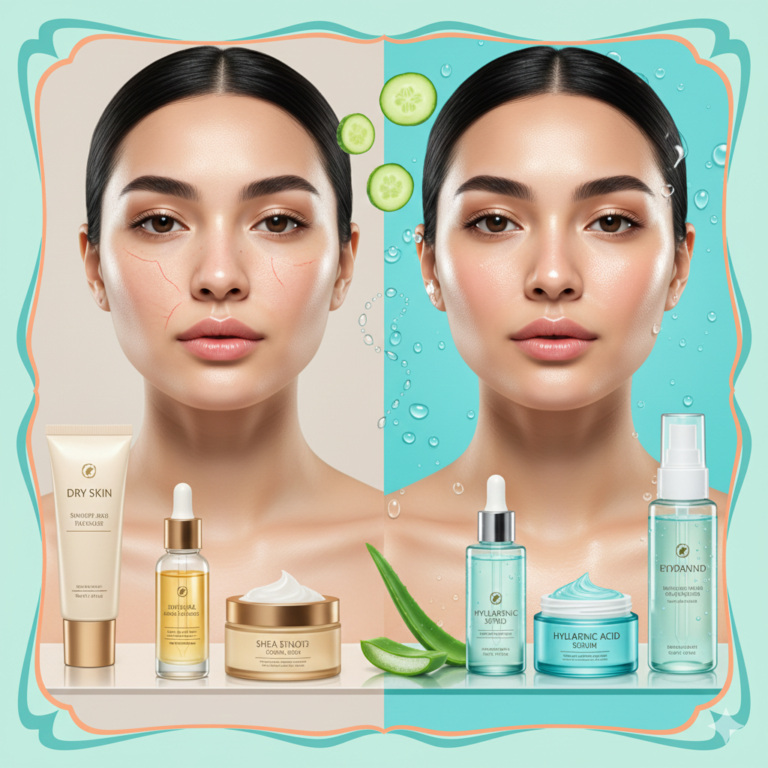
Why Your Moisturizer Isn’t Working — and How to Fix It
You buy a moisturizer that promises hydration and glow — but your skin still feels dry, tight, or flaky. Sound familiar?
The truth is, most people use moisturizers incorrectly, or they pick the wrong type for their skin barrier.
If your cream isn’t doing its job, it doesn’t always mean the product is bad. Sometimes, it’s all about how and when you use it.
Let’s dive into the real reasons your moisturizer isn’t working — and what you can do to make it finally deliver results.
1. You’re Applying It on Dry Skin
This is the most common mistake.
Moisturizers are designed to seal in existing hydration, not create it. When you apply them on completely dry skin, there’s nothing to lock in — and the product can even make dryness worse.
💧 How to fix it:
Apply your moisturizer when your face is slightly damp, right after cleansing or using a hydrating toner or mist.
That way, it traps moisture inside instead of sitting on the surface.
2. You’re Using the Wrong Type of Moisturizer
All moisturizers are not created equal.
Each skin type needs a specific texture and ingredient balance.
Here’s how to choose correctly:
- Oily or acne-prone skin:Lightweight gel or lotion with hyaluronic acid, glycerin, or niacinamide.
- Dry or mature skin:Rich cream or balm with ceramides, shea butter, and squalane.
- Combination skin:Gel-cream textures with panthenol or centella asiatica.
Using a rich cream on oily skin can cause clogged pores, while a light gel on dry skin won’t hydrate enough.
💡 Tip: Always read the first 5 ingredients — they tell you how the product truly performs.
3. You’re Ignoring the Order of Application
Even the best moisturizer won’t work if your skincare layering is off.
If you apply it before serums or oils, it creates a barrier that prevents other products from penetrating.
Correct order:
- Cleanser
- Toner or hydrating mist
- Serum (optional)
- Moisturizer
- Sunscreen (morning only)
This ensures your moisturizer seals everything in and maximizes hydration.
For more details, see our guide:
👉 How to Layer Skincare Products Correctly
4. You’re Not Exfoliating Properly
If you never exfoliate, dead skin cells can pile up and block your moisturizer from being absorbed.
But if you exfoliate too often, you strip your barrier and cause dehydration — the exact opposite of what you want.
Balance is key.
Exfoliate 1–2 times a week using a gentle AHA (like lactic acid) or an enzyme-based exfoliant. Avoid physical scrubs if your skin is dry or sensitive.
If your barrier feels damaged, check our recovery guide:
👉 How to Fix an Over-Exfoliated Face
5. You’re Not Sealing in Moisture with Occlusives
Hydrating ingredients like hyaluronic acid and glycerin draw water into the skin — but without an occlusive (like oils or waxes), that water can evaporate quickly.
If your moisturizer feels nice but your skin gets dry again after an hour, it may lack these sealing ingredients.
Look for products containing:
- Squalane
- Shea butter
- Dimethicone
- Beeswax or lanolin
Or, apply a thin layer of balm on top of your moisturizer at night. This “slugging” technique helps retain hydration while you sleep.
6. You’re Using Harsh Cleansers Beforehand
Even the best moisturizer can’t repair what your cleanser destroys.
Foaming or alcohol-based cleansers strip away your skin’s natural oils, leaving it dry and irritated.
Switch to a gentle, pH-balanced formula with ceramides, amino acids, or glycerin.
A creamy or milky cleanser is best for dry or sensitive skin.
7. You’re Overusing Active Ingredients
If your skincare routine includes multiple actives — like retinol, AHAs, vitamin C — your skin barrier might be compromised.
A damaged barrier can’t hold moisture properly, no matter how rich your moisturizer is.
💡 Solution:
Simplify your routine for 1–2 weeks. Focus only on:
- Gentle cleanser
- Moisturizer
- Sunscreen (daytime)
Then slowly reintroduce actives one at a time.
8. You’re Skipping SPF
Sun exposure damages the skin barrier and increases water loss — even if you don’t burn.
UV rays also break down collagen and lipids, both essential for retaining moisture.
Always finish your morning routine with SPF 30+.
Mineral sunscreens with zinc oxide or titanium dioxide are great for sensitive skin.
9. You’re Expecting Instant Results
Moisturizers don’t transform your skin overnight.
It usually takes 2–4 weeks of consistent use for your barrier to fully restore and retain moisture effectively.
Be patient — healthy, hydrated skin builds gradually.
10. Environmental Factors Are Against You
Low humidity, cold weather, or air conditioning can all dry out your skin, no matter what moisturizer you use.
💡 Fix:
- Use a humidifier at home
- Apply moisturizer twice daily
- Choose richer formulas in winter and lighter ones in summer
Your skin’s needs change with the seasons — your routine should too.
11. Internal Hydration Matters
Topical products help, but hydration starts inside.
If you’re dehydrated, your skin can’t maintain moisture effectively.
Drink at least 1.5–2 liters of water daily and include healthy fats (like omega-3s) in your diet.
Foods like salmon, avocado, nuts, and olive oil help strengthen your lipid barrier from within.