The Best Vitamins for Glowing Skin: What Actually Works
Everyone dreams of having radiant, healthy-looking skin — the kind that glows naturally, without layers of makeup.
But the truth is, skincare starts from within.
While creams and serums play a role, your skin’s glow depends heavily on the nutrients you feed your body.
Vitamins are the building blocks that keep your skin firm, hydrated, and youthful.
Let’s explore the best vitamins for glowing skin, how they work, and the most effective ways to get them — naturally and through supplements.
1. Vitamin C — The Brightening Superstar
Vitamin C (ascorbic acid) is one of the most powerful antioxidants for your skin. It protects against free radical damagecaused by pollution and UV rays — two major culprits of dullness and aging.
How It Helps Your Skin:
- Boosts collagen production, improving elasticity.
- Brightens skin tone and fades dark spots.
- Reduces redness and inflammation.
- Strengthens the skin barrier.
Best Sources:
- Citrus fruits (oranges, lemons, grapefruits)
- Kiwi, strawberries, bell peppers
- Broccoli, kale
Skincare Tip:
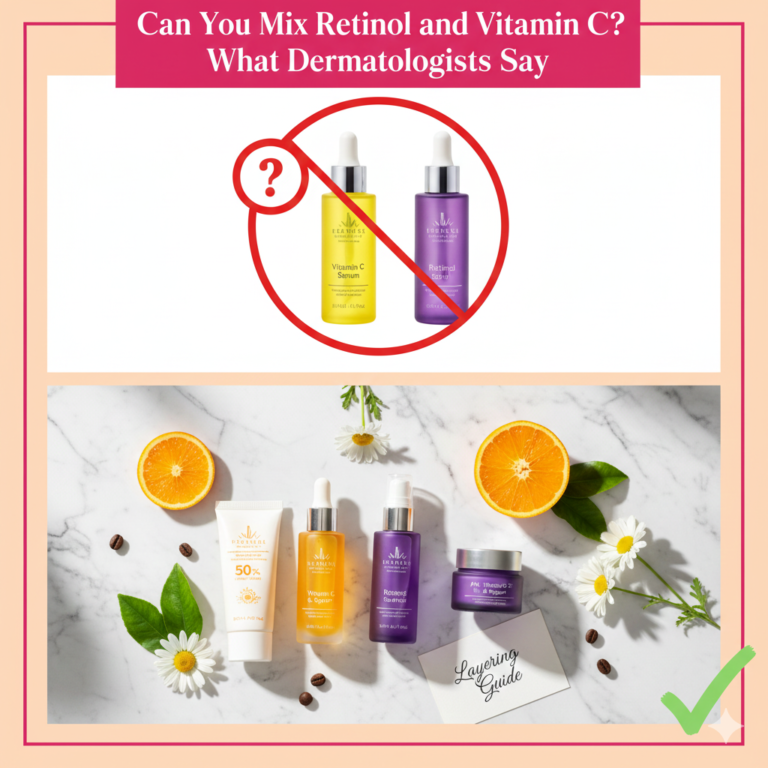
Use a vitamin C serum (10–20%) every morning before sunscreen. It enhances glow and protects against sun damage.
2. Vitamin E — The Moisture Shield
Vitamin E (tocopherol) is another essential antioxidant that helps maintain soft, supple skin.
It works perfectly in tandem with vitamin C — together they neutralize free radicals and prevent oxidative stress.
How It Helps Your Skin:
- Deeply moisturizes and softens dry skin.
- Reduces scars and sun damage.
- Supports wound healing and barrier repair.
Best Sources:
- Almonds, sunflower seeds, and hazelnuts
- Spinach, avocados, and olive oil
Skincare Tip:
Choose creams with vitamin E + C — this combo is more stable and effective.
Avoid overusing pure vitamin E oil on oily or acne-prone skin, as it can clog pores.
3. Vitamin A — The Anti-Aging Hero
Vitamin A and its derivatives (like retinol) are the gold standard in dermatology for rejuvenating skin.
It promotes cell turnover, reduces fine lines, and keeps pores clear.
How It Helps Your Skin:
- Speeds up regeneration of new skin cells.
- Smooths texture and minimizes wrinkles.
- Prevents clogged pores and acne.
Best Sources:
- Carrots, sweet potatoes, pumpkin
- Eggs and dairy products
Skincare Tip:
Start with a low concentration retinol (0.25–0.5%) two to three times a week, increasing gradually.
Always apply sunscreen the next morning — retinol makes your skin more sun-sensitive.
4. Vitamin D — The Sunshine Vitamin
Vitamin D supports skin cell growth and immune function.
Low levels can lead to dryness, dullness, and even conditions like eczema or psoriasis.
How It Helps Your Skin:
- Reduces inflammation.
- Strengthens skin’s natural defense system.
- Helps repair and renew skin tissue.
Best Sources:
- Moderate sun exposure (15–20 minutes a day)
- Fatty fish (salmon, tuna, sardines)
- Fortified milk and eggs
Skincare Tip:
If you spend most of your time indoors, consider vitamin D3 supplements (consult your doctor first).
5. Vitamin B Complex — The Glow Multiplier
B vitamins (especially B3, B5, B6, and B12) play a vital role in maintaining a balanced, healthy complexion.
B3 (Niacinamide):
- Improves uneven tone and strengthens the barrier.
- Reduces redness and tightens pores.
B5 (Pantothenic Acid):
- Deeply hydrates and soothes irritated skin.
- Great for acne-prone or sensitive skin.
B6 & B12:
- Regulate oil production and promote overall balance.
Best Sources:
- Whole grains, eggs, legumes
- Bananas, mushrooms, and leafy greens
Skincare Tip:
Try a niacinamide serum (5%) — it boosts glow and calms redness without irritation.
6. Vitamin K — The Circulation Booster
Though often overlooked, vitamin K helps with skin healing and circulation.
It reduces dark circles, bruising, and broken capillaries.
How It Helps Your Skin:
- Fades under-eye darkness and spider veins.
- Speeds recovery after aesthetic treatments (like fillers or laser).
- Strengthens delicate blood vessels near the surface.
Best Sources:
- Leafy greens (spinach, kale, broccoli)
- Cabbage, lettuce, and brussels sprouts
Skincare Tip:
Use under-eye creams containing vitamin K + caffeine to minimize puffiness and discoloration.
7. When Supplements Help
If your diet lacks variety or your lifestyle is stressful, vitamin supplements can support your skin from within.
Look for formulas labeled “for skin, hair, and nails”, containing vitamins C, E, A, biotin, and zinc.
✅ Choose wisely:
- Avoid megadoses — they won’t make your skin glow faster.
- Take supplements with food for better absorption.
- Always consult your doctor before starting any new supplement.
8. Lifestyle Tips to Boost Vitamin Absorption
- Eat healthy fats (avocado, nuts, olive oil) — they help your body absorb vitamins A, D, E, and K.
- Limit sugar and alcohol — both destroy antioxidants and accelerate skin aging.
- Stay hydrated — vitamins work best in a balanced, hydrated system.
- Get enough sleep — vitamins rebuild your skin while you rest.
Conclusion
Radiant skin is not about luck — it’s about nutrition, balance, and consistency.
Feed your skin the vitamins it needs, both through food and topical care, and you’ll see visible improvement within weeks.
Remember: no serum or cream can outshine what’s built from the inside. 🌿