Overnight Face Masks: Wake Up with Glowing Skin
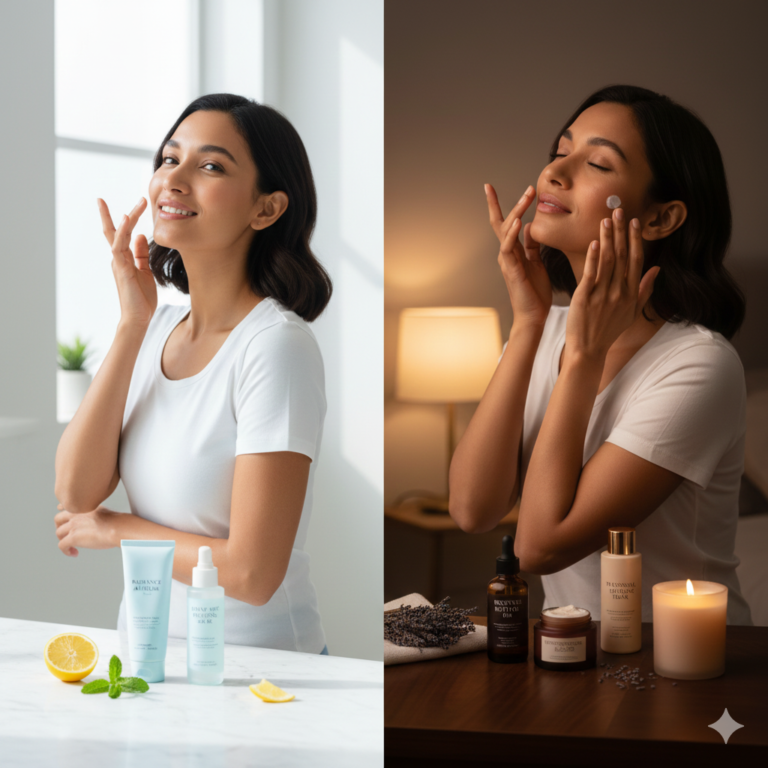
Imagine waking up with soft, plump, and glowing skin — without a trip to the spa, without extra time in the morning, and without a complicated 10-step routine. That’s exactly what a good overnight face mask delivers. Applied as the last step of your evening routine, sleeping masks work while you rest — locking in moisture, delivering concentrated actives, and giving your skin a full night to absorb and repair.
The catch? Not all sleeping masks are created equal. The wrong formula for your skin type can leave you greasy, congested, or irritated by morning. This guide breaks down how overnight masks actually work, which ingredients suit different skin concerns, and the best options available right now — with picks for every skin type and budget.
What Is an Overnight Face Mask — and How Is It Different from a Moisturizer?
An overnight mask (also called a sleeping mask or sleeping pack) is a leave-on treatment applied as the final step of your nighttime routine. Unlike your regular moisturizer, it’s formulated to be more occlusive — meaning it creates a breathable seal on the skin that locks in everything underneath: hydration, serums, and active ingredients.
This occlusive effect does two important things. First, it prevents transepidermal water loss (TEWL) — the process by which your skin loses moisture to the air while you sleep. Second, it creates an environment where active ingredients can penetrate more deeply and work more effectively, because the skin isn’t fighting against moisture evaporation at the same time.
The result: you wake up with skin that’s noticeably softer, plumper, and more radiant than if you’d used your regular moisturizer alone. For skin types dealing with dryness, dullness, or early signs of aging, that difference is significant.
Key Benefits of Overnight Face Masks
- Deep hydration — Ideal for dry, dehydrated, or combination skin that feels tight by morning.
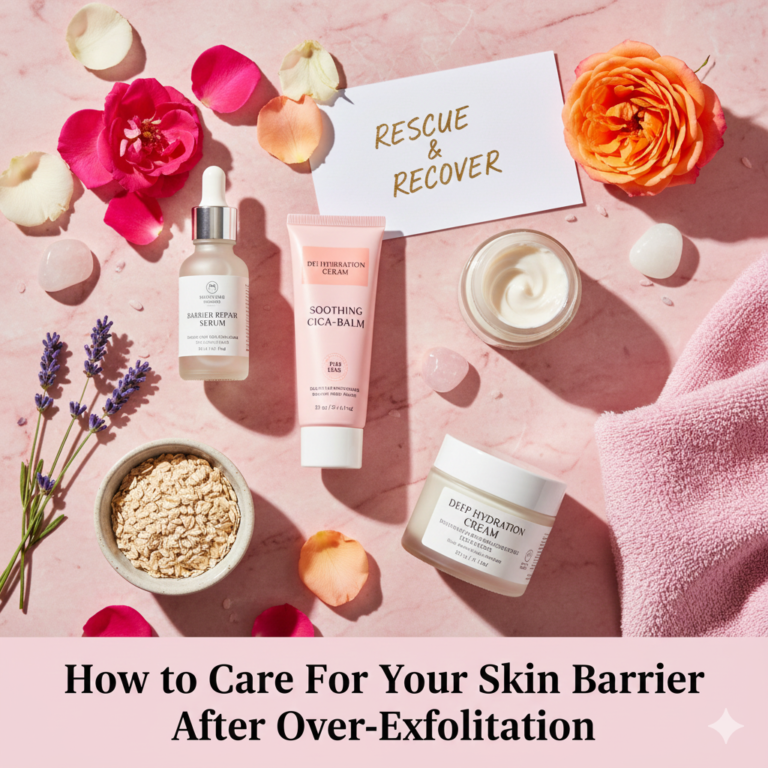
- Barrier repair — Strengthens and rebuilds the skin barrier after irritation, over-exfoliation, or environmental stress.
- Brightening — Fades dark spots and dullness with ingredients like vitamin C, niacinamide, and AHAs working overnight.
- Anti-aging — Delivers peptides, retinol, and antioxidants during the skin’s natural nighttime repair cycle — when it’s most receptive to treatment.
- Convenience — Works passively while you sleep, with no extra time, rinsing, or morning effort required.
For most skin types, using a sleeping mask 2–3 times per week is enough. Daily use is fine for very dry or compromised skin, but unnecessary for normal or oily skin types.
Best Overnight Face Masks by Skin Concern
| # | Mask | Best For | Key Ingredient | Price |
|---|---|---|---|---|
| 1 | LANEIGE Water Sleeping Mask | Dry / Dehydrated skin | Hyaluronic Acid + Squalane | ~$33 |
| 2 | COSRX Ultimate Nourishing Rice Mask | Oily / Acne-Prone skin | Niacinamide + Rice Extract | ~$13 |
| 3 | ELEMIS Superfood Midnight Facial | Dull / Uneven Tone | Vitamin C + Superfood blend | ~$65 |
| 4 | Olay Regenerist Retinol 24 Night Cream | Aging / Fine Lines | Retinol + Niacinamide | ~$30 |
Top Overnight Masks: Detailed Reviews
1. LANEIGE Water Sleeping Mask — Best for Dry and Dehydrated Skin
LANEIGE’s Water Sleeping Mask is one of the most iconic sleeping masks in the world — and for good reason. Its Hydro Ionized Mineral Water technology delivers intense hydration deep into the skin while the sleeping pack texture creates a protective seal to prevent moisture loss overnight. Wake up with skin that feels plump, soft, and visibly refreshed. Lightweight enough that it doesn’t feel heavy on the pillow, and suitable for sensitive skin. 4.7/5 with over 700 reviews — and over 3,000 people buy it on Amazon every month.
Best for: Dry, dehydrated, or normal skin that loses moisture overnight.
2. COSRX Ultimate Nourishing Rice Overnight Spa Mask — Best for Oily and Acne-Prone Skin
Finding an overnight mask for oily or acne-prone skin is tricky — most sleeping masks are too rich and end up clogging pores. COSRX solves this with a lightweight, gel-textured formula built around rice extract and niacinamide. Rice extract provides gentle hydration and brightening without heaviness, while niacinamide controls oil, minimizes pores, and soothes redness. The result is balanced, calm skin by morning — not congested skin. At under $13, it’s also the best-value pick on this list. Rated 4.5/5 with nearly 10,000 reviews.
Best for: Oily, acne-prone, or combination skin that needs hydration without clogging.
3. ELEMIS Superfood Midnight Facial — Best for Dull and Uneven Skin Tone
ELEMIS Superfood Midnight Facial is a brightening powerhouse in a jar. Packed with a concentrated blend of superfood ingredients — including vitamin C, fermented black rice, and plant-based antioxidants — it works overnight to visibly brighten skin, fade dark spots, and restore radiance. The rich but non-greasy texture absorbs beautifully and leaves skin looking noticeably more luminous by morning. Rated 4.5/5 with over 3,000 reviews. For a complete approach to uneven skin tone, see our guide to the best skincare products for hyperpigmentation.
Best for: Dull skin, uneven tone, hyperpigmentation, and skin that looks tired or lacks radiance.
4. Olay Regenerist Retinol 24 Night Cream — Best for Aging Skin
Olay’s Regenerist Retinol 24 is one of the most trusted anti-aging night treatments at the drugstore price point. The formula combines retinol with niacinamide for a dual-action approach: retinol stimulates cell turnover and collagen production, while niacinamide soothes and strengthens the barrier to reduce typical retinol irritation. Fragrance-free, non-greasy, and suitable for sensitive skin. Rated 4.6/5 with over 15,000 reviews. For more anti-aging options, explore our guide to the best anti-aging serums for sensitive skin.
Best for: Fine lines, loss of firmness, early signs of aging, skin that tolerates retinol.
How to Use an Overnight Face Mask: Step-by-Step
- Cleanse thoroughly — Remove all makeup, SPF, and daily buildup.
- Tone or mist — A hydrating toner preps the skin and improves absorption of everything that follows.
- Apply your serums — Use your actives before sealing them in. See our guide on niacinamide vs hyaluronic acid to decide which works best for your concern.
- Apply the sleeping mask — Use a thin, even layer as the very last step. A little goes a long way.
- Sleep and rinse — Rinse off in the morning during your regular cleanse.
Can You Use an Overnight Mask Every Night?
For most skin types, 2–3 times per week is the sweet spot. This gives the skin time to breathe and prevents product buildup that can lead to congestion. Very dry or compromised skin can use a lightweight formula daily. Oily skin types should stick to 2x per week maximum.
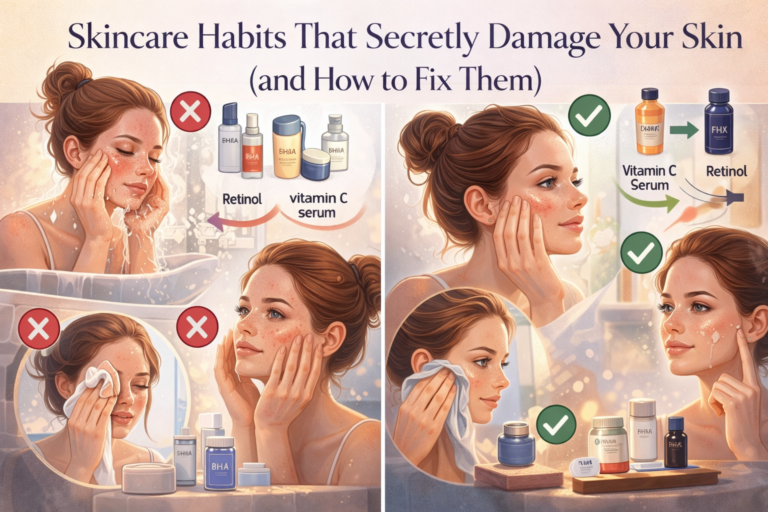
One important rule: if your sleeping mask contains active ingredients like retinol or AHAs, don’t layer additional actives underneath. The occlusive nature of the mask increases penetration — which is great for hydration, but can cause irritation when combined with multiple actives at once.
Overnight Masks and Sensitive Skin
Sensitive skin can absolutely benefit from overnight masks — but formula choice matters. Stick to fragrance-free, alcohol-free options with soothing ingredients like oat extract, panthenol, ceramides, and madecassoside. The LANEIGE Water Sleeping Mask and COSRX Rice Mask are both well-tolerated by sensitive skin. If your skin is very reactive, pair your overnight mask with one of the best moisturizers for sensitive skin as an underlayer for extra barrier support.
Don’t Skip Sunscreen the Next Morning
Every overnight mask on this list works better when followed by daily SPF. Ingredients like retinol and vitamin C increase photosensitivity — unprotected sun exposure will undo overnight progress. If you’re worried about sunscreen congesting your skin, read our guide on whether sunscreen causes breakouts — the answer depends entirely on the formula.
Frequently Asked Questions
Do overnight face masks actually work?
Yes — when matched to your skin type and concern. The occlusive texture prevents moisture loss while you sleep and allows active ingredients to penetrate more deeply than a standard moisturizer. Most people notice softer, more hydrated skin after just one use; brightening and anti-aging results take 4–8 weeks of consistent use.
Can I use a sleeping mask instead of my moisturizer?
For most skin types, no — they serve different purposes. A sleeping mask is a concentrated treatment best used on top of your regular nighttime moisturizer 2–3 times per week. Very dry skin is the exception — a rich sleeping mask can replace a separate night cream in that case.
Will a sleeping mask stain my pillow?
Most modern sleeping masks absorb fully within 10–15 minutes of application. Apply a thin layer and give it time to sink in before lying down. A silk or satin pillowcase also helps — and has its own skin benefits.
What’s the difference between a sleeping mask and a sheet mask?
Sheet masks are single-use, rinse-off treatments used for 15–20 minutes before your routine. Sleeping masks are leave-on treatments applied after your routine and worn overnight. Sleeping masks generally deliver deeper, more sustained results because of the extended contact time with the skin.
Can I use a sleeping mask if I have acne?
Yes — but choose carefully. Look for non-comedogenic, gel-based formulas with niacinamide rather than heavy creams. The COSRX Rice Mask is a reliable option for acne-prone skin. Avoid masks with coconut oil or heavy occlusives that can block pores.
Final Thoughts
Overnight face masks are one of the most effortless ways to upgrade your skincare results. The key is matching the right formula to your skin concern: hydration for dry skin, lightweight niacinamide for oily skin, vitamin C for dullness, and retinol for aging. Start with 2–3 times a week, give it 4–6 weeks to show full results, and adjust from there.
As an Amazon Associate I earn from qualifying purchases. Prices shown are approximate and may vary.