Niacinamide for Glowing Skin: Benefits, Uses, and Side Effects
Niacinamide, also known as vitamin B3, has quickly become a staple in modern skincare. Its versatility and gentle nature make it suitable for all skin types, from sensitive to acne-prone. Whether you want to reduce inflammation, fade dark spots, or achieve a radiant glow, niacinamide can play a central role in your routine. In this guide, we will explore the benefits, uses, side effects, and best practices for incorporating niacinamide into your skincare regimen.
What Is Niacinamide?
Niacinamide is a water-soluble form of vitamin B3 that helps the skin maintain its barrier function, improves elasticity, and regulates oil production. Unlike harsher active ingredients, niacinamide is generally well-tolerated, making it ideal for long-term use. It can be found in serums, moisturizers, toners, and even masks.
Benefits of Niacinamide
1. Enhances Skin Barrier Function
A strong skin barrier prevents moisture loss and shields against environmental stressors. Niacinamide stimulates the production of ceramides, which strengthen the barrier and help skin retain hydration.
2. Reduces Inflammation and Redness
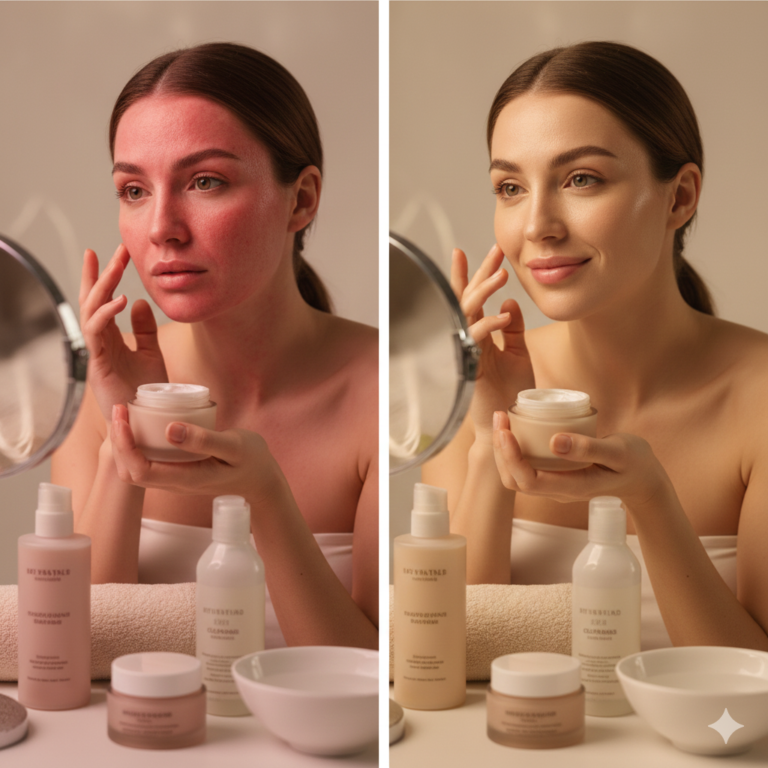
Niacinamide has anti-inflammatory properties, making it effective for acne, rosacea, and general redness. Regular use can calm irritated skin and reduce visible inflammation over time.
3. Minimizes Pore Appearance
By regulating sebum production, niacinamide can help reduce enlarged pores. It also promotes smoother skin texture, contributing to a refined complexion.
4. Fights Hyperpigmentation
Niacinamide inhibits the transfer of melanin to skin cells, helping to fade dark spots, sun spots, and post-acne marks. Over time, it can result in a more even and radiant skin tone.
5. Supports Anti-Aging
Niacinamide boosts collagen production, improving skin elasticity and reducing fine lines and wrinkles. While not as potent as retinol for anti-aging, it’s gentler and can be used alongside other actives.
How to Use Niacinamide
1. Choose the Right Concentration
Niacinamide is usually effective at 2–10% concentrations. Beginners should start with lower percentages to minimize irritation.
2. Apply to Clean Skin
After cleansing and toning, apply niacinamide serum. You can follow with a moisturizer to lock in hydration.
3. Pair with Compatible Ingredients
Niacinamide works well with many ingredients, including hyaluronic acid, retinol, and antioxidants. Avoid mixing with high-strength vitamin C in the same layer, though they can be used at different times of the day.
Internal Link Idea (Middle of Text):
For guidance on layering niacinamide with other actives like retinol, see How to Layer Skincare Products Correctly
.
4. Use Sunscreen
Daily SPF is essential to protect your skin, especially when targeting pigmentation and fine lines.
Potential Side Effects
Niacinamide is generally safe, but some people may experience mild irritation, redness, or breakouts initially. If sensitivity occurs, reduce frequency or try a lower concentration.
Internal Link Idea (Middle of Text):
For tips on sensitive skin care, see Top Ingredients to Avoid for Sensitive Skin
.
Who Should Use Niacinamide?
- Acne-Prone Skin: Helps reduce inflammation and control sebum.
- Hyperpigmented Skin: Fades dark spots and evens skin tone.
- Dry or Sensitive Skin: Strengthens the skin barrier and improves hydration.
- Aging Skin: Supports collagen production and elasticity.
Tips for Maximizing Benefits
- Consistency: Daily or every-other-day use provides the best results over time.
- Layer Wisely: Apply niacinamide before heavier creams or oils.
- Combine with Hydration: Hyaluronic acid and ceramide moisturizers enhance its effects.
- Patch Test: Always patch test new products to avoid adverse reactions.
Recommended Niacinamide Products
- Serums: Lightweight and concentrated, ideal for layering.
- Moisturizers: Suitable for sensitive or dry skin needing barrier support.
- Masks: Boost hydration and provide a calming effect for irritated skin.
Internal Links for Skincare Routine Enhancement
- How to Layer Skincare Products Correctly – detailed guide to combine niacinamide with other actives.
- Serum vs. Moisturizer: What’s the Difference? – learn where niacinamide fits in your routine.
- Top Ingredients to Avoid for Sensitive Skin – avoid conflicts and irritation.
- How to Choose the Right Sunscreen for Your Skin Type – protect your skin while using active ingredients.
Key Takeaways
Niacinamide is a gentle, effective, and versatile ingredient suitable for all skin types. Whether your goal is to reduce redness, fade pigmentation, or support anti-aging, it can become a cornerstone of your skincare routine. Start with a suitable concentration, layer it correctly, and maintain daily sun protection to achieve the best results.