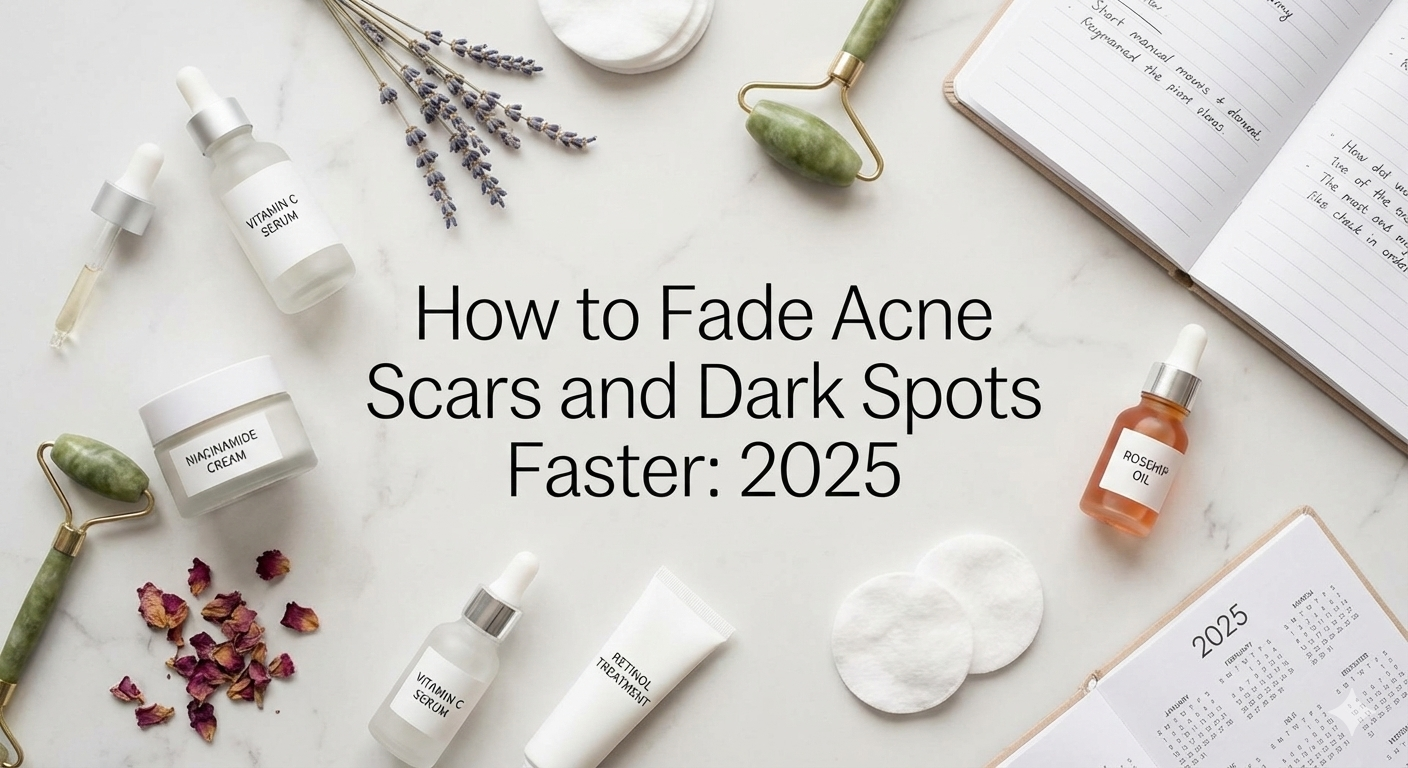
How to Fade Acne Scars and Dark Spots Faster: 2026 Expert Guide
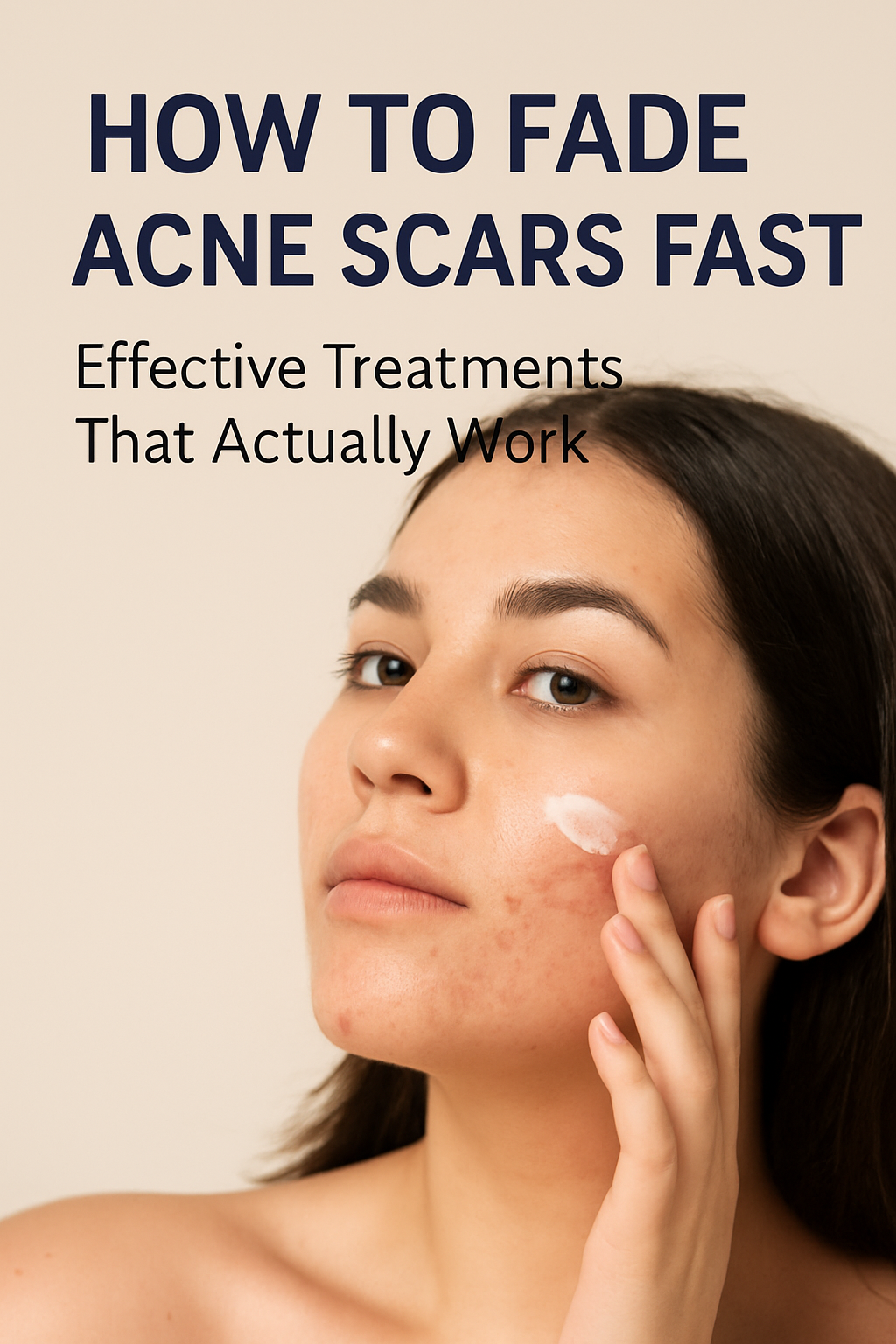
Acne may fade, but the marks it leaves behind can be just as frustrating. Whether you’re dealing with dark spots (post-inflammatory hyperpigmentation) or textured scars, modern skincare science in 2025 offers powerful solutions for fading these imperfections — safely and effectively.
This expert guide explains what causes acne marks, the difference between scar types, and the most effective treatments to reveal a smoother, brighter complexion.
Understanding acne scars vs. dark spots
Before choosing treatment, it’s essential to know what you’re targeting:
1. Dark spots (Post-inflammatory hyperpigmentation, PIH)
- Flat brown or reddish marks that appear after a breakout heals
- Caused by excess melanin production
- Usually fade over time but can linger for months
2. Post-inflammatory erythema (PIE)
- Red or pink marks common in fair skin tones
- Caused by dilated capillaries, not pigment
- Respond better to anti-inflammatory and barrier-repair treatments
3. Atrophic acne scars
- Indented scars (ice pick, rolling, boxcar) caused by collagen loss
- Require collagen-stimulating treatments like retinoids or professional microneedling
Each type requires a tailored approach — combining exfoliation, pigment inhibitors, and regeneration boosters.
Step 1: Exfoliation — speeding up skin renewal
Regular exfoliation removes pigmented surface cells and accelerates cell turnover.
Chemical exfoliants to use:
- AHA (Glycolic or Lactic Acid)
- Gently removes dead skin, improving texture and brightness.
- Best for dull, uneven skin tone.
- Use 5–10% once or twice weekly.
- BHA (Salicylic Acid)
- Deeply cleans pores and reduces post-acne pigmentation.
- Ideal for oily and acne-prone skin.
- Try 1–2% leave-on solutions daily or every other day.
- PHA (Polyhydroxy Acids)
- Mild exfoliation for sensitive skin types.
- Offers hydration benefits too.
Expert tip:
Alternate exfoliating acids and retinoids — avoid layering both in one routine to prevent irritation.
Step 2: Brightening actives — targeting excess pigment
The next step is suppressing melanin production. Here are the most effective and dermatologist-approved ingredients for 2025:
Niacinamide (Vitamin B3)
- Reduces dark spots and inflammation
- Strengthens skin barrier and improves brightness
- Safe for daily use, AM & PMTry: 5% niacinamide serum before moisturizer.
Vitamin C (Ascorbic Acid or Derivatives)
- Powerful antioxidant that brightens skin and reduces pigmentation
- Best used in the morning under sunscreenPro tip: Look for stabilized formulas (e.g., sodium ascorbyl phosphate) to avoid oxidation.
Azelaic Acid
- Inhibits tyrosinase (the enzyme responsible for melanin)
- Great for acne-prone and sensitive skin
- Combine with niacinamide for amplified brightening
Alpha Arbutin
- Gentle, plant-derived pigment inhibitor
- Works well in layered routines with vitamin C or niacinamide
Licorice Root Extract & Tranexamic Acid
- Popular in 2025 for fading hormonal pigmentation and stubborn dark patches
- Often found in night serums or spot treatments
Step 3: Retinoids — rebuilding skin structure
Retinoids (like adapalene, retinol, or retinaldehyde) remain gold-standard ingredients for fading acne scars and smoothing texture.
Why they work:
They increase cell turnover, stimulate collagen production, and gradually resurface damaged skin.
How to use:
- Start with 0.1–0.3% retinol or adapalene 0.1%
- Apply at night after cleansing
- Use 2–3 nights per week, then increase gradually
- Always follow with a hydrating moisturizer
Results:
Improvement in tone and texture typically visible within 8–12 weeks.
Step 4: Hydration and barrier repair
Healing skin needs a strong barrier. A damaged barrier slows down pigmentation recovery.
Look for moisturizers containing:
- Ceramides
- Panthenol (Vitamin B5)
- Centella Asiatica
- Squalane
These help calm inflammation and enhance the results of active ingredients.
Pro tip: Use a barrier-repair cream nightly when using acids or retinoids to avoid sensitivity.
Step 5: Daily sunscreen — non-negotiable
No matter how perfect your routine is, dark spots will persist (or worsen) without sun protection. UV rays trigger melanin production, reversing progress overnight.
Choose:
- SPF 30–50 broad spectrum
- Lightweight, non-comedogenic formula
- Include zinc oxide or niacinamide for extra protection
When outdoors: Reapply every 2–3 hours.
When indoors: Blue light from screens can still stimulate pigmentation — consider SPF with iron oxides for blue-light defense.
Step 6: Optional in-office and advanced treatments
For stubborn or deep acne scars, dermatologists may recommend professional options:
- Microneedling – boosts collagen and smooths atrophic scars
- Chemical peels – for PIH and texture refinement
- Laser therapy (fractional or PDL) – targets redness or deep pigmentation
- TCA CROSS – for ice pick scars
Always consult a certified dermatologist before starting in-office procedures.
Sample skincare routine to fade acne marks faster
Morning:
- Gentle cleanser
- Vitamin C serum (10–20%)
- Niacinamide serum (optional)
- Lightweight moisturizer
- Broad-spectrum sunscreen SPF 50
Evening:
- Cleanser
- Exfoliant (AHA/BHA) — alternate nights
- Retinoid or Azelaic Acid
- Moisturizer with ceramides
Weekly:
- Hydrating mask or centella-based calming cream
- Optional: enzyme exfoliant for gentle renewal
Ingredients to avoid
When treating dark spots, avoid:
- Harsh scrubs (can inflame skin further)
- Alcohol-heavy toners
- Unregulated “bleaching creams” with hydroquinone or steroids (unsafe for long-term use)
Internal Links
- Best Over-the-Counter Treatments for Active Breakouts (2025 Update)
- Serum vs. Moisturizer: What’s the Difference?
- Top Ingredients to Avoid for Sensitive Skin
- How to Repair Your Skin Barrier: Expert Tips That Actually Work
- Hydration vs. Moisturization: What Your Skin Really Needs
- Exfoliating Acids: AHA vs. BHA vs. PHA
Conclusion
Fading acne scars and dark spots is a gradual process — but with consistent care, visible improvement is guaranteed.
By combining exfoliation, brightening actives, retinoids, and diligent sun protection, you can achieve an even, radiant complexion that truly reflects healthy skin.
Remember: patience is key, and your skin does regenerate — you just have to support it the right way.