How Stress Affects Your Skin and How to Fix It
We all know that stress can mess with your mood and sleep — but did you know it also shows up on your skin?
Breakouts before a big meeting, dull complexion during a stressful week, or sudden flare-ups of eczema — they’re all linked to how your body responds to stress hormones.
In this article, you’ll learn how stress actually affects your skin on a biological level, what visible changes it causes, and — most importantly — how to reverse the damage naturally with skincare and lifestyle habits.
1. The Science Behind Stress and Skin
When you’re stressed, your body releases cortisol, the “stress hormone.”
While it helps you stay alert short-term, chronic stress leads to inflammation and oil imbalance, directly affecting your skin.
Here’s how it happens:
- Cortisol increases oil (sebum) production, clogging pores and causing acne.
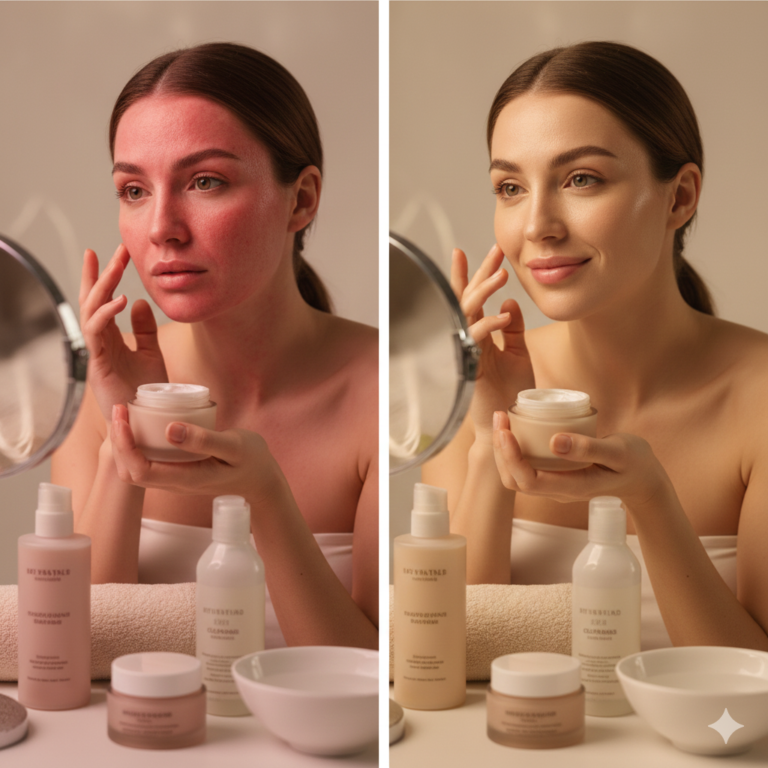
- Inflammation rises, worsening rosacea, eczema, and psoriasis.
- Collagen breakdown accelerates, leading to premature wrinkles.
- Blood circulation decreases, making your skin look tired and pale.
In short — stress can age your skin faster than time itself if left unmanaged.
2. Common Skin Problems Caused by Stress
Let’s break down what exactly happens when your mental state goes off balance:
1. Breakouts and Acne
When cortisol spikes, oil glands go into overdrive. Combine that with slower cell turnover and bacteria buildup — and you get stress acne, especially around the jawline and cheeks.
2. Dullness and Dryness
Chronic stress disrupts the skin barrier, causing moisture loss. This leads to rough texture, flakiness, and a “gray” tone.
3. Premature Aging
Stress increases free radical activity, which destroys collagen and elastin. Fine lines appear faster, especially around the eyes and mouth.
4. Flare-ups of Skin Conditions
Eczema, psoriasis, or rosacea often worsen during stressful periods because inflammation levels skyrocket.
5. Slower Healing
Small wounds, pimples, or irritation marks take longer to heal when stress hormones are high.
3. The Mind-Skin Connection
Your skin and brain communicate through a complex network called the “brain-skin axis.”
When the brain senses stress, it triggers the release of neuropeptides and hormones that affect skin function.
For example:
- Stress reduces ceramide production (essential for moisture).
- It weakens your skin’s immune defense.
- It increases sensitivity and redness.
This explains why emotional distress often shows up as physical symptoms on your face.
4. How to Fix Stress-Induced Skin Issues
The good news? You can break this cycle — by tackling stress inside and out.
A. Calm Your Mind
- Practice Deep Breathing or Meditation (10 minutes daily)Mindfulness techniques lower cortisol and improve blood flow to the skin.Try guided apps like Calm or Headspace.
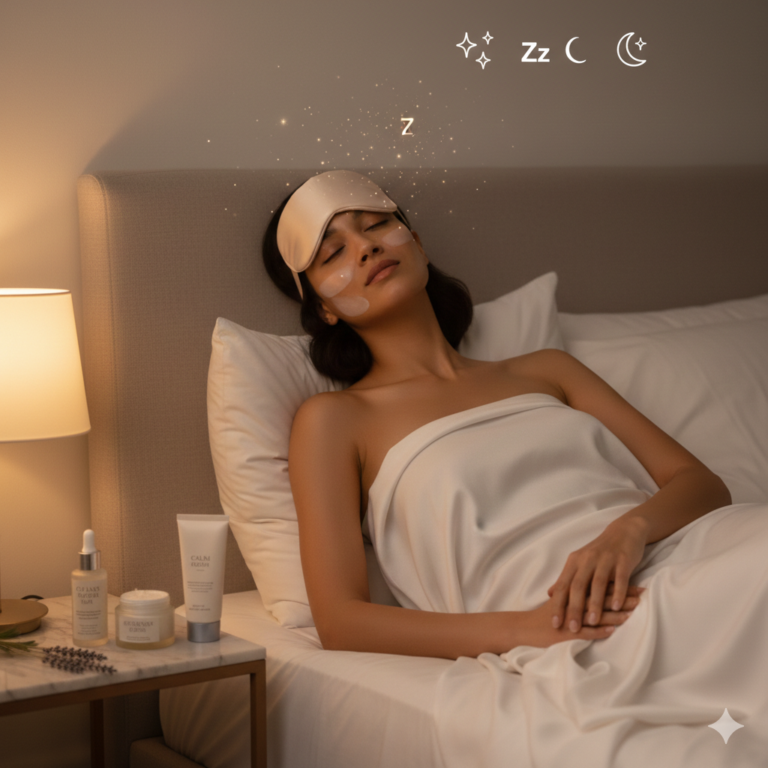
- Prioritize SleepDuring sleep, your skin repairs itself and regenerates collagen. Aim for 7–9 hours per night.
- Exercise RegularlyMovement releases endorphins that neutralize stress hormones — and boost circulation for that “glow.”
- Limit Caffeine and SugarBoth raise cortisol levels and cause inflammation, making acne worse.
- Stay HydratedStress dehydrates you from the inside out — 2 liters of water a day helps maintain elasticity.
B. Support Your Skin with the Right Products
Even if stress is unavoidable, your skincare can protect your barrier and speed up recovery.
Step 1: Gentle Cleanser
Avoid harsh foams. Opt for sulfate-free, pH-balanced cleansers that won’t strip natural oils.
Step 2: Hydrating Toner or Essence
Look for panthenol, hyaluronic acid, or aloe vera to soothe irritation.
Step 3: Repair Serum
Use products with niacinamide, centella asiatica (cica), or peptides to restore balance.
Step 4: Moisturizer with Ceramides and Squalane
They strengthen the barrier and prevent trans-epidermal water loss.
Step 5: SPF in the Morning
Stress makes your skin more vulnerable to UV damage. Always protect it, even on cloudy days.
C. Nutrients for Stress-Resistant Skin
What you eat directly impacts your skin’s ability to handle stress:
- Omega-3 fatty acids (fish, chia seeds): calm inflammation.
- Vitamin C (citrus, kiwi): boosts collagen and immunity.
- Magnesium (nuts, spinach): regulates cortisol levels.
- Probiotics (yogurt, kefir): support gut-skin balance.
Your skin literally glows when your gut and nervous system are calm.
5. Quick Relaxation Rituals for Your Skin
Sometimes, your skin just needs a mini “mental spa” moment.
Try these simple habits to instantly reduce stress signals:
- Apply a cool compress or jade roller for 5 minutes.
- Light a lavender or chamomile candle while cleansing.
- Use aromatherapy mist before bedtime.
- Give yourself a facial massage — it improves lymph flow and eases muscle tension.
6. When to See a Dermatologist
If stress triggers persistent acne, eczema, or rashes that don’t improve after lifestyle changes, consult a dermatologist.
You might need topical corticosteroids, retinoids, or anti-inflammatory serums to rebalance your skin safely.
7. Remember: Healthy Skin Starts in a Calm Mind
Stress isn’t just a mental issue — it’s a skin issue too.
By combining inner calm with proper skincare, you’ll see visible improvements in texture, tone, and glow within weeks.
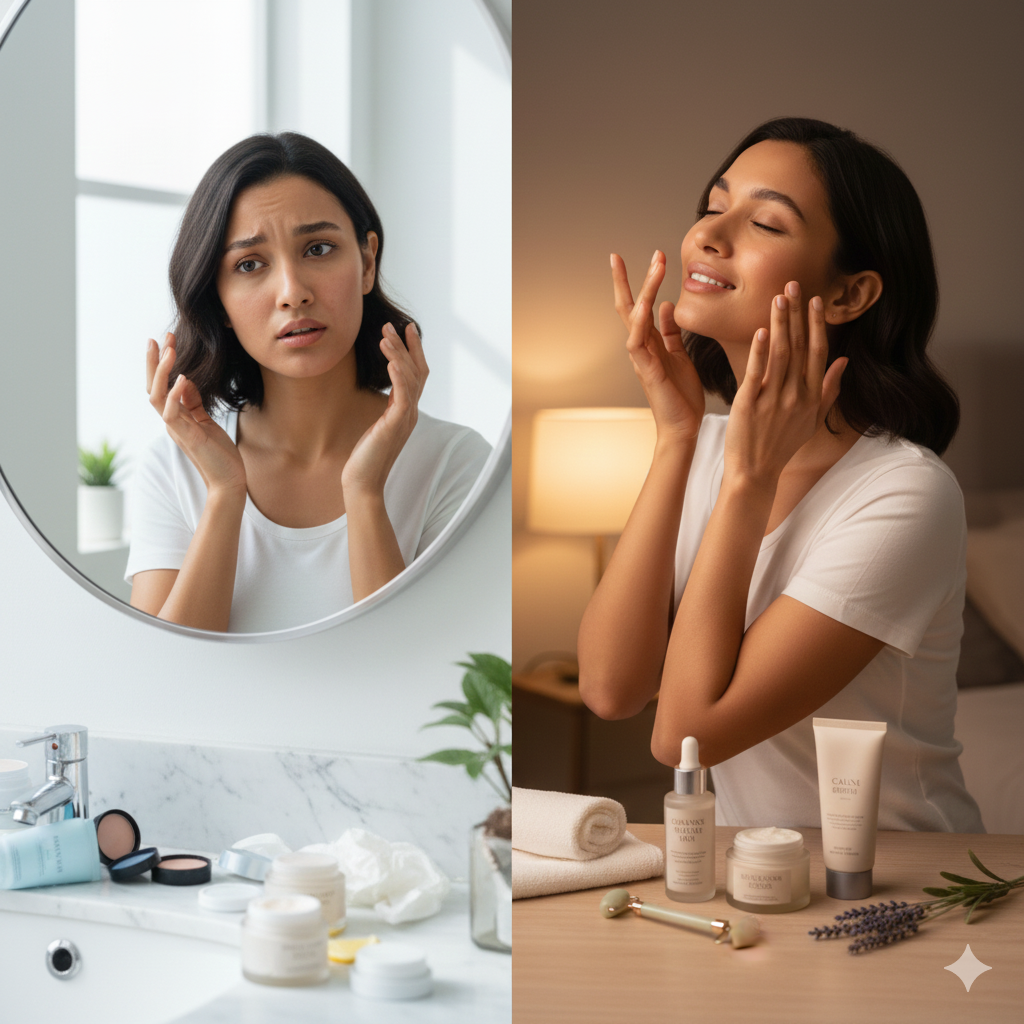
Consistency matters more than perfection. Your skin mirrors how you feel — so treat yourself kindly, and your reflection will return the favor. 💛