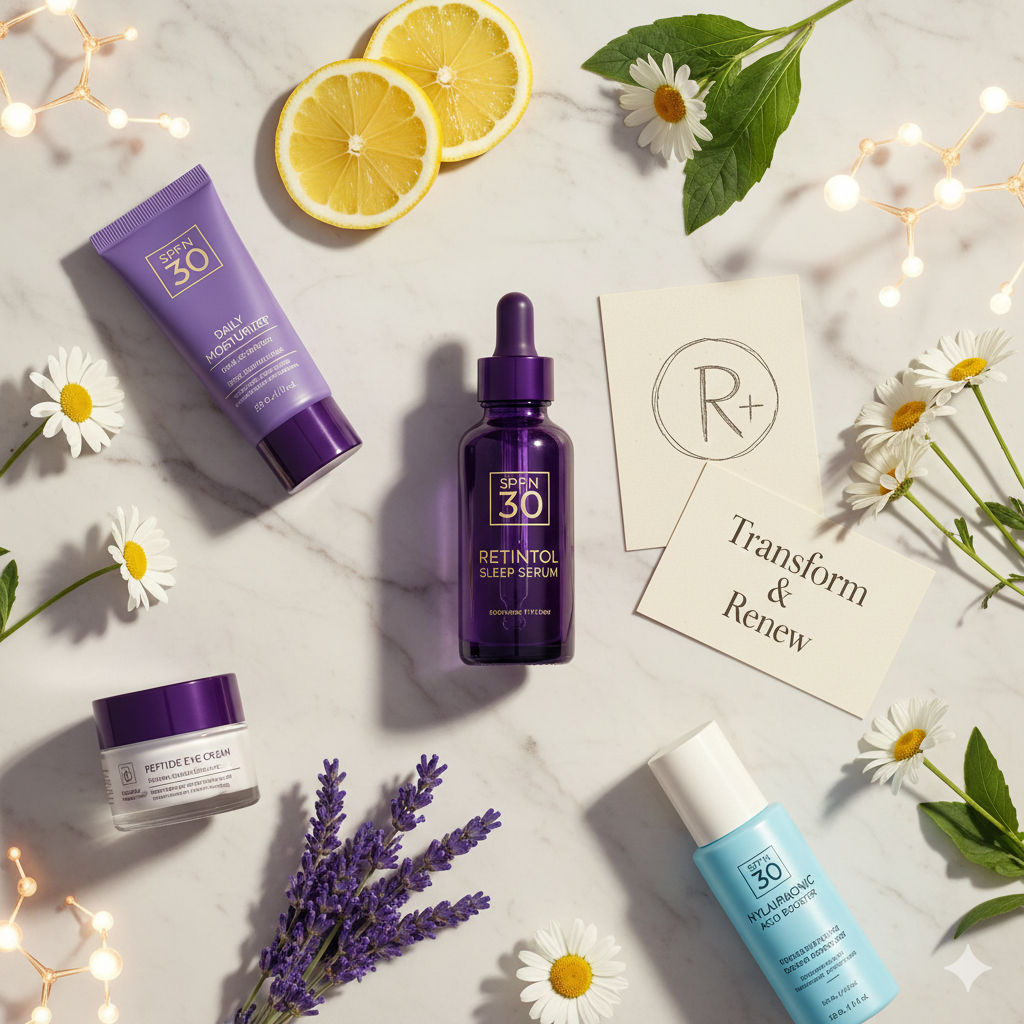
The Ultimate Guide to Retinol: Benefits, Side Effects, and How to Use It Safely
The Ultimate Guide to Retinol: Benefits, Side Effects, and How to Use It Safely
Retinol has become one of the most talked-about ingredients in skincare, praised for its anti-aging and acne-fighting properties. However, many people feel confused about how to incorporate it into their routine or worry about side effects. This comprehensive guide will explain everything you need to know about retinol, how it works, its benefits, potential risks, and the best way to use it safely for your skin type.
What Is Retinol?
Retinol is a derivative of vitamin A, a fat-soluble vitamin essential for skin health. In skincare, retinol is used for its ability to promote cell turnover, stimulate collagen production, and improve skin texture. Over time, it can reduce the appearance of fine lines, wrinkles, dark spots, and acne.
Retinol comes in various strengths and formulations, from over-the-counter creams and serums to stronger prescription versions. The concentration and type of retinol you choose should depend on your skin type and tolerance.
Benefits of Retinol
1. Reduces Fine Lines and Wrinkles
Retinol is widely recognized for its anti-aging benefits. By increasing collagen production, it helps firm the skin, smooth wrinkles, and restore elasticity. Regular use can result in noticeable improvements in skin texture and tone over several weeks.
2. Treats Acne
Retinol unclogs pores, prevents the formation of blackheads and whiteheads, and reduces inflammation, making it a powerful ally in the fight against acne. Dermatologists often recommend retinol for both teen and adult acne, although it should be introduced gradually to avoid irritation.
3. Improves Skin Texture and Tone
Retinol promotes cell turnover, which means old, dull skin cells are replaced with fresh, healthy ones. This process can reduce hyperpigmentation, uneven tone, and rough texture, giving the skin a smoother and more radiant appearance.
4. Minimizes Dark Spots
Sun exposure and acne scars can lead to dark spots and pigmentation. Retinol helps fade these blemishes over time by accelerating skin renewal and promoting an even complexion.
Potential Side Effects
While retinol is effective, it can also cause side effects, especially for beginners or those with sensitive skin.
- Redness and Irritation: Some people experience temporary redness, peeling, or a burning sensation.
- Dryness: Retinol can make your skin drier, so moisturizing is crucial.
- Sun Sensitivity: Retinol increases photosensitivity, making sunscreen mandatory during the day.
- Purging: Initial use can trigger breakouts as your skin adjusts, a phenomenon known as purging.
Tip: Start with a lower concentration and gradually increase usage. Using a moisturizer alongside retinol can help reduce irritation.
How to Use Retinol Safely
1. Start Slowly
If you’re new to retinol, begin with a small amount (pea-sized) once or twice a week. Gradually increase frequency as your skin adapts.
2. Apply at Night
Retinol degrades in sunlight, so always apply it in the evening after cleansing and before moisturizing.
3. Moisturize
A rich, non-comedogenic moisturizer can help reduce dryness and irritation. Some people apply moisturizer before retinol (the “sandwich” method) for extra protection.
4. Use Sunscreen Daily
Retinol makes your skin more sensitive to UV damage. Apply broad-spectrum SPF 30 or higher every morning, even on cloudy days.
5. Avoid Combining with Harsh Ingredients
Do not use retinol alongside strong acids (like glycolic or salicylic acid) or vitamin C in the same routine, as this can increase irritation. Introduce other active ingredients gradually.
Who Should Avoid Retinol
- Pregnant or breastfeeding women should avoid retinol, as high doses of vitamin A can be harmful.
- People with extremely sensitive or compromised skin should consult a dermatologist before starting retinol.
Common Myths About Retinol
Myth 1: Retinol thins the skin.
Fact: Retinol may initially cause peeling, but over time it strengthens the skin by boosting collagen.
Myth 2: You need prescription-strength retinol for results.
Fact: Over-the-counter retinol can be effective if used consistently and correctly.
Myth 3: You can use retinol every day from the start.
Fact: Daily use too soon can lead to irritation. Introduce gradually.
Tips for Maximizing Retinol Benefits
- Consistency is Key: Retinol works best over time; results appear after 8–12 weeks.
- Pair with Hydration: Use hyaluronic acid or ceramide-rich moisturizers to combat dryness.
- Avoid Over-Exfoliating: Excessive exfoliation can increase irritation and reduce retinol effectiveness.
- Combine with Antioxidants: Vitamin C in the morning can complement retinol use at night for anti-aging.
Recommended Retinol Products
- Beginner-friendly: 0.2–0.5% retinol serums or creams
- Moderate strength: 0.5–1% retinol formulations
- Advanced: Prescription tretinoin or retinaldehyde (dermatologist guidance required)
Internal Links for Skincare Routine Enhancement
- How to Layer Skincare Products Correctly
- Serum vs. Moisturizer: What’s the Difference?
- Top Ingredients to Avoid for Sensitive Skin
- How to Choose the Right Sunscreen for Your Skin Type
- Key Takeaways
- Retinol is a powerful and versatile skincare ingredient that can improve skin texture, reduce signs of aging, and treat acne. However, proper usage is essential to minimize side effects and maximize results. Begin gradually, always use sunscreen, and pair retinol with moisturizing and protective products. With patience and consistency, retinol can transform your skincare routine and skin health.