How to Choose the Best Exfoliator for Your Skin Type
Exfoliation is one of the most essential steps in any skincare routine. It removes dead skin cells, clears pores, and helps other products work better. However, choosing the right exfoliator for your skin type can be tricky — what works wonders for oily skin might cause redness and dryness on sensitive skin.
In this article, we’ll explore different types of exfoliators, how to pick the perfect one for your skin, and the common mistakes you should avoid.
1. What Is Exfoliation and Why Is It Important?
Exfoliation is the process of removing dead skin cells from the surface of your skin. This not only improves texture and brightness but also helps prevent clogged pores, blackheads, and breakouts.
There are two main types of exfoliation:
- Physical exfoliation: Uses small particles, brushes, or scrubs to manually remove dead skin cells.
- Chemical exfoliation: Uses acids (AHA, BHA, or PHA) to dissolve dead cells without scrubbing.
If you’re not exfoliating, your skin may appear dull and flaky — and even the most expensive moisturizer or serum won’t penetrate effectively.
2. Chemical vs. Physical Exfoliators: Which Is Better?
Physical exfoliators (like scrubs or exfoliating brushes) are great for instant smoothness but can be harsh on sensitive or acne-prone skin.
Chemical exfoliators, on the other hand, use acids to gently dissolve the bonds between dead skin cells. They can give more even results and are generally less abrasive.
Here’s a quick breakdown:
| Type | How It Works | Best For | Key Ingredients |
|---|---|---|---|
| AHA (Alpha Hydroxy Acid) | Dissolves dead cells on the surface | Dry, dull, or sun-damaged skin | Glycolic acid, lactic acid |
| BHA (Beta Hydroxy Acid) | Penetrates pores and removes oil | Oily or acne-prone skin | Salicylic acid |
| PHA (Polyhydroxy Acid) | Gentle exfoliation for sensitive skin | Sensitive or reactive skin | Gluconolactone, lactobionic acid |
3. How to Choose the Right Exfoliator for Your Skin Type
For Oily and Acne-Prone Skin
Choose a BHA exfoliant, as it penetrates deep into pores and removes excess sebum.
Look for salicylic acid (1–2%), which helps reduce blackheads and breakouts. Avoid heavy scrubs that can irritate and spread bacteria.
👉 Recommended ingredients: Salicylic acid, tea tree extract, niacinamide.
For Dry or Dehydrated Skin
Opt for a gentle AHA exfoliant such as lactic acid. It not only removes dead cells but also hydrates and smooths rough texture.
Avoid physical exfoliators that can cause microtears.
👉 Recommended ingredients: Lactic acid, glycolic acid, hyaluronic acid.
For Sensitive Skin
Use PHA exfoliants or enzyme-based exfoliators. PHAs work slowly and are less irritating, while fruit enzymes (like papaya or pineapple) provide a natural and mild exfoliation.
👉 Recommended ingredients: Gluconolactone, lactobionic acid, papain, bromelain.
For Combination Skin
Alternate between AHA and BHA exfoliants — for example, use BHA on the T-zone and AHA on drier areas. You can also find dual formulas that balance both.
👉 Recommended ingredients: Glycolic + salicylic acid, niacinamide, green tea.
For Mature Skin
Choose AHA exfoliants, especially glycolic acid, to boost cell turnover and improve fine lines. Regular use helps reveal smoother, more radiant skin.
👉 Recommended ingredients: Glycolic acid, peptides, antioxidants.
4. How Often Should You Exfoliate?
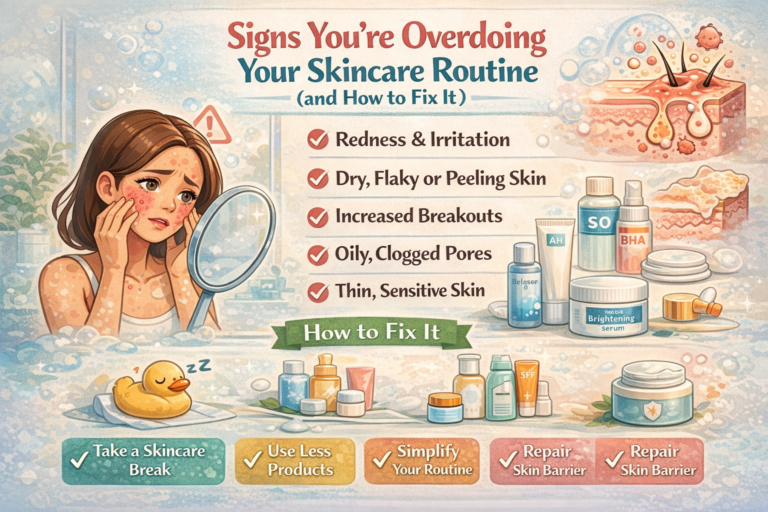
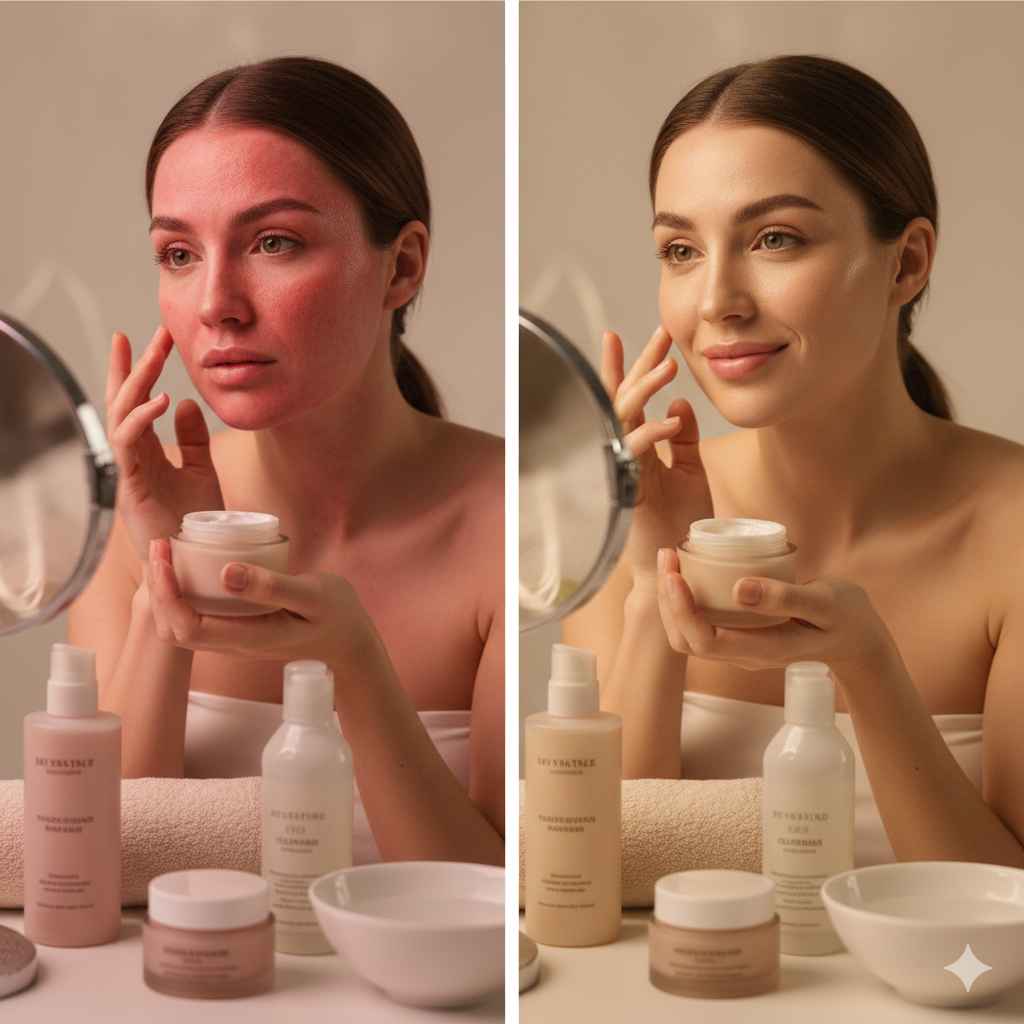
More exfoliation doesn’t mean better results. Over-exfoliating can damage your skin barrier and lead to redness, flaking, or breakouts.
Here’s a simple guideline:
- Oily skin: 2–3 times per week
- Dry or sensitive skin: 1–2 times per week
- Combination skin: 2 times per week
If you use chemical exfoliants, start slowly — once a week — and increase frequency as your skin adjusts.
5. Common Mistakes to Avoid
- Exfoliating too often: Leads to irritation and barrier damage.
- Mixing acids incorrectly: Combining strong acids (like glycolic and salicylic) can burn sensitive skin.
- Skipping sunscreen: After exfoliation, your skin becomes more sensitive to UV damage.
- Using harsh scrubs: Physical scrubs with large particles (like apricot or walnut shells) can create microtears.
Always apply moisturizer after exfoliating to help restore hydration and support skin healing.
6. Natural Alternatives
If you prefer natural exfoliation, try these gentle options:
- Oatmeal paste: Soothes and exfoliates without irritation.
- Honey and sugar scrub: Great for normal skin, but avoid overuse.
- Papaya enzyme mask: Brightens and smooths skin naturally.
However, natural doesn’t always mean safe — do a patch test before using any DIY recipe.
7. Best Practices for Safe Exfoliation
- Apply exfoliants on clean, dry skin.
- Avoid combining with retinol or vitamin C on the same day.
- Always follow with SPF 30+ during the day.
- Use hydrating serums (like hyaluronic acid) after exfoliation to minimize dryness.
Exfoliation should make your skin glow — not sting or peel.